54%
of Earth’s land surface
is rangelands, sustaining biodiversity, water cycles and billions of livelihoods
Sustaining Livelihoods and Ecosystem
International Rangelands & Fodder Conference
Organized by RMSI & ICAR-IGFRI, Jhansi
Abstract Submission Deadline: 31 August 2026
Expected Delegates
Conference Themes
Conference Days
Countries Represented
About the Conference
Rangelands are more than grazing ground: they are pasture, forage, water and livestock bound together. Rangelands cover 54% of the planet’s land, yet the systems that feed our herds face mounting pressure from degradation and a changing climate.
India in context
Livestock
world’s largest herd
536 M
Milk output
largest producer worldwide
#1
Permanent pastures
grazing lands
~10.3 M ha
Green fodder gap
net national deficit
~11%
The State of Our Land
54%
of Earth’s land surface
is rangelands, sustaining biodiversity, water cycles and billions of livelihoods
536M
livestock in India
the world’s largest herd, dependent on secure, quality fodder and forage
~11%
green fodder deficit
India’s shortfall in green fodder, alongside a ~24% deficit in dry fodder
⅓
of terrestrial carbon
is held in the world’s grasslands and rangeland soils, a climate frontline
Why it matters
India sustains the world’s largest livestock population on shrinking grazing lands, facing a net deficit of nearly 11% in green fodder and 24% in dry fodder, while grassland degradation and climate stress intensify the challenge for pastoral livelihoods.
An integrated rangeland-and-forage approach answers it at once: quality fodder and seed, ecosystem restoration, climate resilience, and the pastoral livelihoods that depend on healthy grasslands.
IRFC 2026
Pastures, People and Livestock: Sustaining Livelihoods and Ecosystem brings scientists, policymakers, practitioners and pastoral communities from around the world under one roof to deliberate, exchange and commit to a resilient, sustainable future for rangelands, forages and dependent livestock systems.
Frontier knowledge across rangeland, forage seed, crop improvement, livestock and climate-resilient science.
Connect scientists, policy planners, practitioners and pastoral communities to shape grazing and land-use policy.
Inspire practical solutions for a resilient and sustainable Evergreen Revolution across borders.
Advance the urgency of the UN International Year of Rangelands & Pastoralists for global greening.
Research Themes
Abstracts are invited under all ten thematic areas of the conference.
Theme 1
Pasture–pastoralist–livestock integration, grassland rejuvenation and biodiversity, climate resilience and ecosystem restoration for land degradation neutrality.
Theme 2
Improved pure and germinating seeds, seed biology, dormancy and viability, participatory seed production, and mechanization for forage and seed value chains.
Theme 3
Varietal development and forage quality, genomics-assisted breeding, high-throughput phenotyping, genome editing and apomixis for stress-resilient forages.
Theme 4
Integrated farming systems and circular economy, One Health, precision and organic farming, and non-conventional feed and forages for bio-energy.
Theme 5
Advances in animal breeding, feeding and health, dairy processing and value addition, and fodder conservation and post-harvest management.
Theme 6
AI, drones and machine learning, data-driven modeling and forecasting, omics, DNA fingerprinting, biosensors and next-gen antimicrobials in forage and animal sciences.
Theme 7
Horti-pastures, silvi-pastures and multi-tier systems, tree-crop interactions, silvicultural techniques and genetic improvement in fodder trees.
Theme 8
Grazing policy and land-tenure rights, capacity building, FPOs, gender and youth, and revitalizing pastoralism and transhumance across grazing corridors.
Theme 9
A panel on revitalizing pastoralism and transhumance, bringing pastoralists, NGOs, milk cooperatives, scientists and policy makers into one dialogue.
Theme 10
Creating awareness among farmers, other stakeholders and delegates for community benefits.
Mark your calendar
The road to IRFC 2026, scene by scene. Every milestone you need to plan around, in one cinematic timeline.
31 Aug 2026
Submit extended abstracts (max 400 words) via the online portal.
5 Sep 2026
Authors notified about acceptance for oral or poster presentation.
10 Sep 2026
Complete registration at the early-bird fee before this date.
10 Sep 2026
Final date to register and confirm your participation.
23 – 25 Sep 2026
Three days of keynotes, oral presentations, poster sessions, and awards.
Call for Papers
We invite researchers, academicians, policymakers, and practitioners to submit abstracts for oral and poster presentations across ten thematic areas covering rangelands, forage science, livestock systems and climate resilience.
Everything you need before submitting your work.
Registration
Register before or after the due date and discover the perfect fee for your category.
In-service life members of RMSI.
Before Due Date
Early Registration
Researchers, scientists and professionals.
Before Due Date
Early Registration
Corporate, NGO and consultancy participants.
Before Due Date
Early Registration
Students with valid ID and research scholars.
Before Due Date
Early Registration
Spouse / family attending social programmes.
Before Due Date
Early Registration
Every fee includes
* GST applicable as per Government of India rules. Bank details available on the registration page.
Venue
The conference will be held at ICAR-Indian Grassland and Fodder Research Institute (IGFRI), the premier forage-research campus in the heart of Jhansi.
Bundelkhand
Heart of central India
ICAR-IGFRI
The premier grassland and forage research institute of South Asia under the Indian Council of Agricultural Research, hosting IRFC 2026 in the heart of Jhansi.
ICAR-IGFRI, Gwalior Road, Jhansi, Uttar Pradesh 284003
3-star hotels to guest houses across Jhansi; delegates arrange their own stay.
Jhansi Junction (JHS) is a major rail junction. Nearest airports: Gwalior (~100 km) and Khajuraho.
Orchha, Jhansi Fort, Gwalior, Datia and the Taj Mahal all within reach.
About Jhansi
Jhansi sits in the historic Bundelkhand region of Uttar Pradesh, a city immortalised by Rani Lakshmibai and her stand in the revolt of 1857. Today it is a thriving rail junction and the gateway to some of India's most iconic heritage.
It is home to ICAR-IGFRI, the premier grassland and forage research institute of South Asia and the host of IRFC 2026. From Orchha's palaces to the Taj Mahal, Gwalior and Khajuraho, the region rewards every delegate who stays a day longer.
Bundelkhand
Historic heart of India
Rani Jhansi
City of valour, 1857
ICAR-IGFRI
Premier forage institute
Well linked
Rail hub · Gwalior airport
Nearby Sightseeing
A curated mix of forts, temples and world wonders, perfect for extending your trip around the conference.
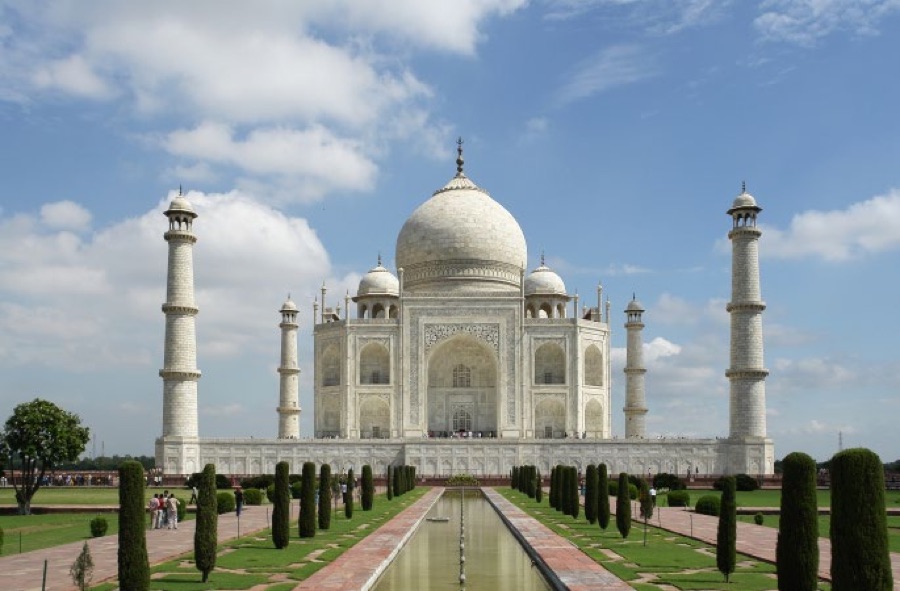 ~215 km
UNESCO World Heritage
The immortal monument of love in white marble: one of the seven wonders of the world and an easy add-on to your visit.
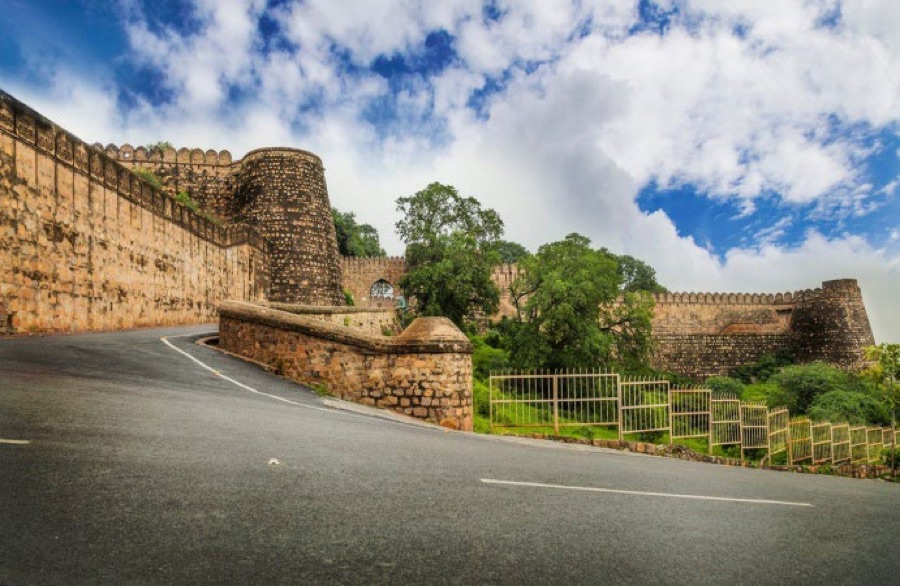 In city
Rani Lakshmibai
The mighty hilltop fort of the legendary Rani of Jhansi, with ramparts, cannons and the pulse of 1857 in the heart of the city.
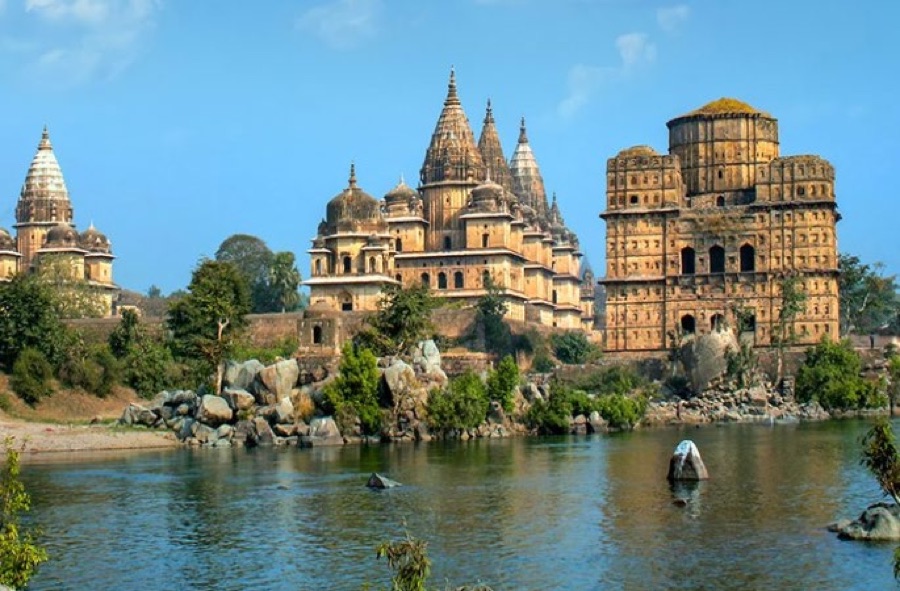 ~18 km
Medieval Capital
A riverside town of Bundela palaces, soaring cenotaphs and the only temple where Lord Rama is worshipped as a king.
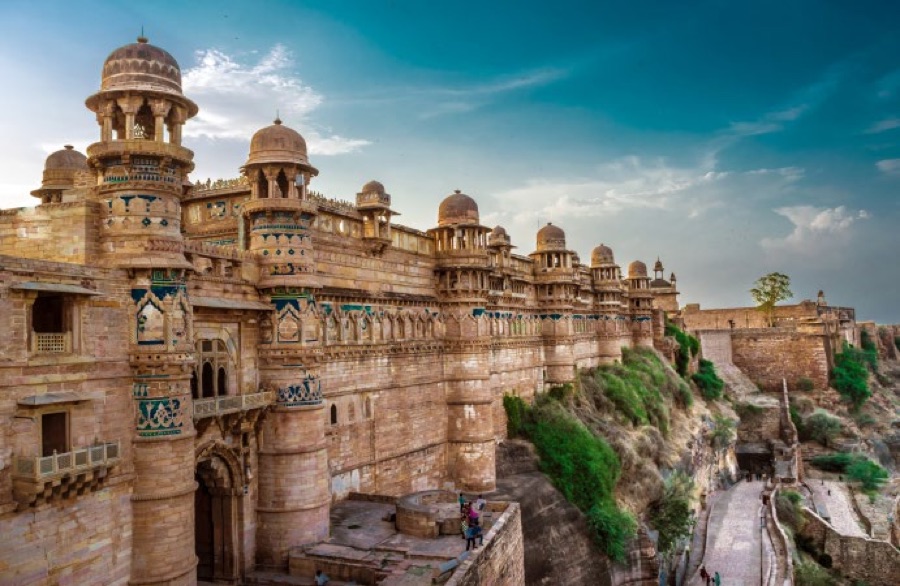 ~100 km
Hill Fortress
A majestic sandstone fort crowning a plateau, described as “the pearl among fortresses of India”.
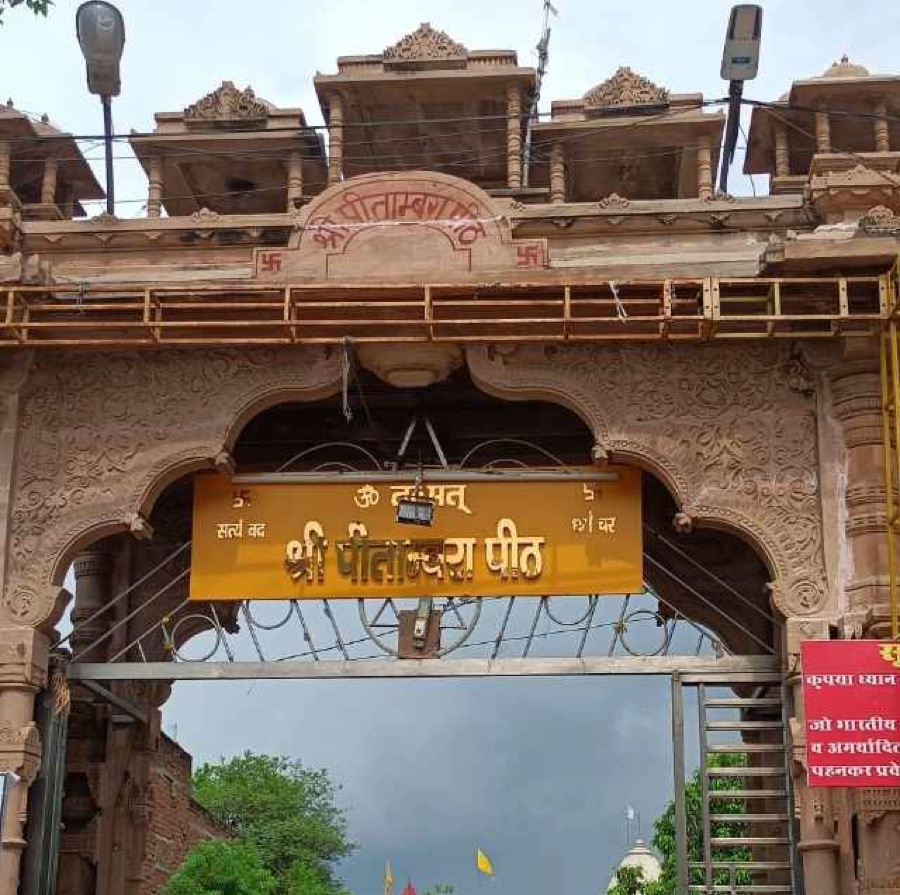 ~30 km
Shakti Peeth
A revered temple of Maa Pitambara and Dhumavati, one of the most visited spiritual centres of the region.
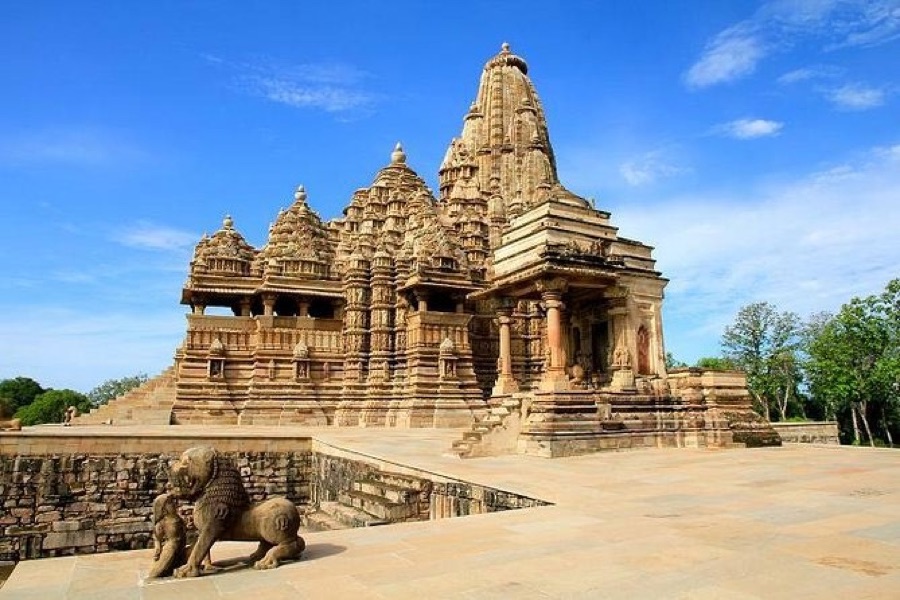 ~175 km
UNESCO World Heritage
The world-famous group of Nagara-style temples celebrated for their intricate and expressive stone sculpture.
Partners & Sponsors
Five sponsorship categories, each customisable to your goals.
Conference Partner
₹10 Lakh
Platinum
₹5 Lakh
Gold
₹3 Lakh
Silver
₹2 Lakh
Bronze
₹1 Lakh
Find Us
Join leading researchers and practitioners from across the globe to shape the future of ecosystem-based natural resource management.
Abstract Deadline: 31 August 2026. Submit your extended abstract before it's too late!
Conferences, communities & modern web platforms, engineered with care by Cyberlative IT Solutions.